
2026 Speakers
2026 Featured Sessions
-
![]()
Incorruptible: How Good Companies Go Bad and and How Great Companies Stay Great
Eric Ries
New York Times bestselling author The Lean Startup and IncorruptibleNew York Times best-selling author of The Lean Startup and Incorruptible will sit down for a fireside chat with conference director Robin Zander for a look at some of the most unusual organizations in the world, and what they do differently.
Based on his new best-selling book Incorruptible, Eric will share the structural pressures that corrupt a company's mission, and how organizations can be structured to operate differently.
-
![]()
5 Principles To Transform Your Organization with AI
Rebecca Hinds, PhD
Best-selling author, Your Best Meeting Ever
Head of the Work AI Institute at GleanMost workers say AI makes them more productive. Most organizations say it isn't paying off. In this talk, Rebecca Hinds unpacks that paradox and shares five research-backed principles for closing the gap — from rethinking AI as a mindset shift rather than a tool, to redrawing the org chart around human-AI collaboration.
-
![]()
Two Principles of Highly Effective Organizations
Doug Kirkpatrick
CEO at D'Artagnan Advisors, Co-Founder at Vibrancy
Author of The No-Limits EnterpriseA pioneer of the self-management movement and author of Beyond Empowerment, Doug draws on work with companies around the world to make the case that great complexity can be navigated with remarkable simplicity. In this keynote, he explores the philosophical foundations of self-managing organizations, the role of language and conscious leadership, and why — at a moment when AI is making hierarchy look increasingly obsolete — the wave of non-hierarchical work may finally be arriving in the United States.
-
![]()
Experiments with AI: An Interview in the Round
Sally Thornton
Founder ForshayEveryone is talking about AI. Far fewer people are sharing what they’re actually doing.
In this unique interview-in-the-round session, a group of Chief People Officers will take turns interviewing one another about a real AI experiment they’ve led inside their organizations over the past year. From workforce enablement and employee training to policy, governance, recruiting, and productivity, each conversation will unpack a specific initiative: what problem they were trying to solve, what they learned, what surprised them, and what they’d do differently next time.
-
![]()
How to Build In Uncertain Times
Danielle Strachman, Co-founder at 1517 Fund
Innovation rarely follows a predictable path. Many of the most transformative companies begin as ideas that seem unconventional, risky, or even impossible. In this fishbowl, Danielle Strachman will explore what it takes to build bold companies in uncertain times.
-
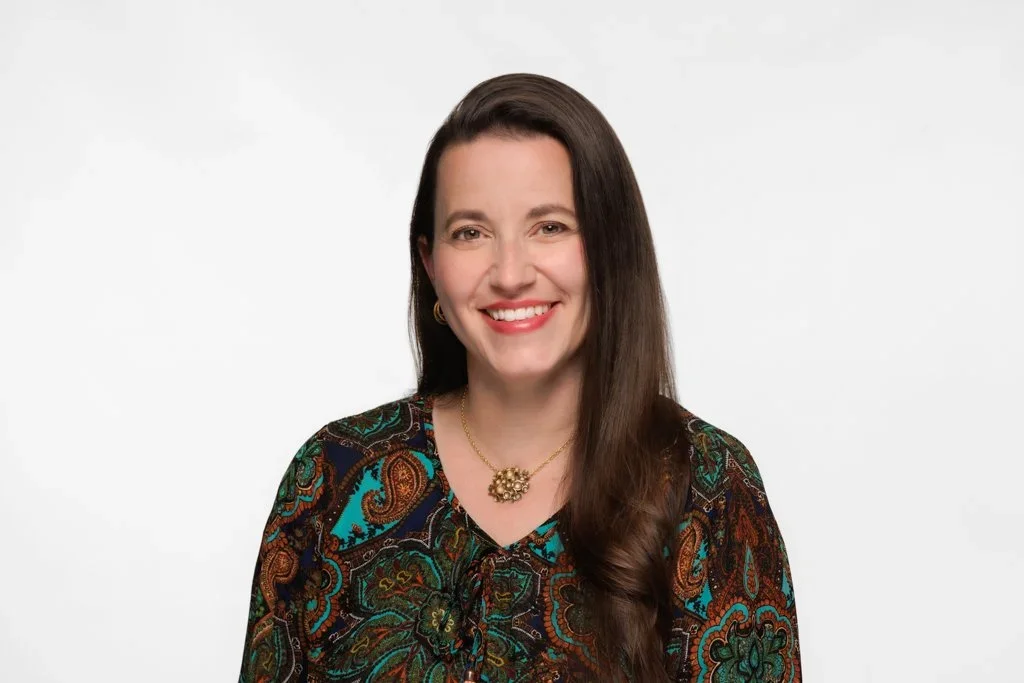
![A woman with long, wavy light brown hair smiling at the camera wearing a patterned blouse and hoop earrings against a gray background.]()
The ROI of Being In The Same Room
Mirit Cohen
Global Workplace Experience Manager
Senior Manager at Adobe
Mirit Cohen has spent years building the business case for something most executives feel but struggle to prove: that bringing people together is one of the highest-leverage investments a company can make. In this on-stage interview, Jenny Sauerklean sits down with Mirit to unpack the data, the framework, and the stories behind Adobe's approach to intentional gathering — including one Halloween party that may have unlocked billions in revenue. At a moment when the rest of the tech industry is busy telling us humans are optional, this session makes the case that they're essential. -
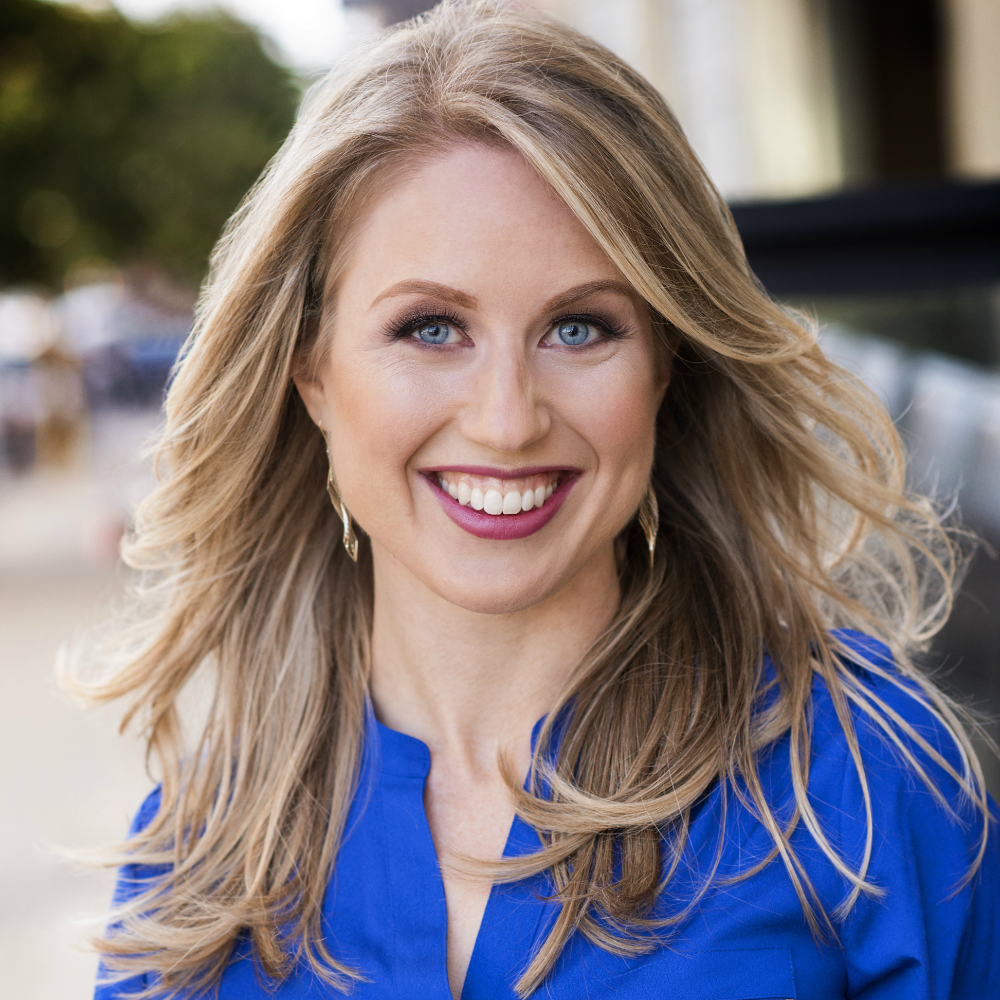
![A smiling blonde woman with blue eyes, wearing a blue top and earrings, outdoors on a sunny day.]()
AI & Talent: An Unfiltered Fishbowl
Michelle Vitus
Executive Coach & Founder, Slate
Michelle Wagner
Operating Partner, Playground Global
Lucia Guillory
Chief People Officer, Virta Health
Brandon Sammut
Chief People & AI Transformation Officer, ZapierArtificial intelligence is changing not only how work gets done but also how organizations think about talent, leadership, and capability. In this fishbowl-style discussion, Michelle Vitus, Michelle Wagner, Lucia Guillory, and Brandon Sammut will share unfiltered takes on how talent strategy is adapting to these changes. The conversation will examine how organizations are preparing employees for new types of work, how leadership expectations are evolving, and what companies must do to support both performance and human development in an AI-enabled workplace.
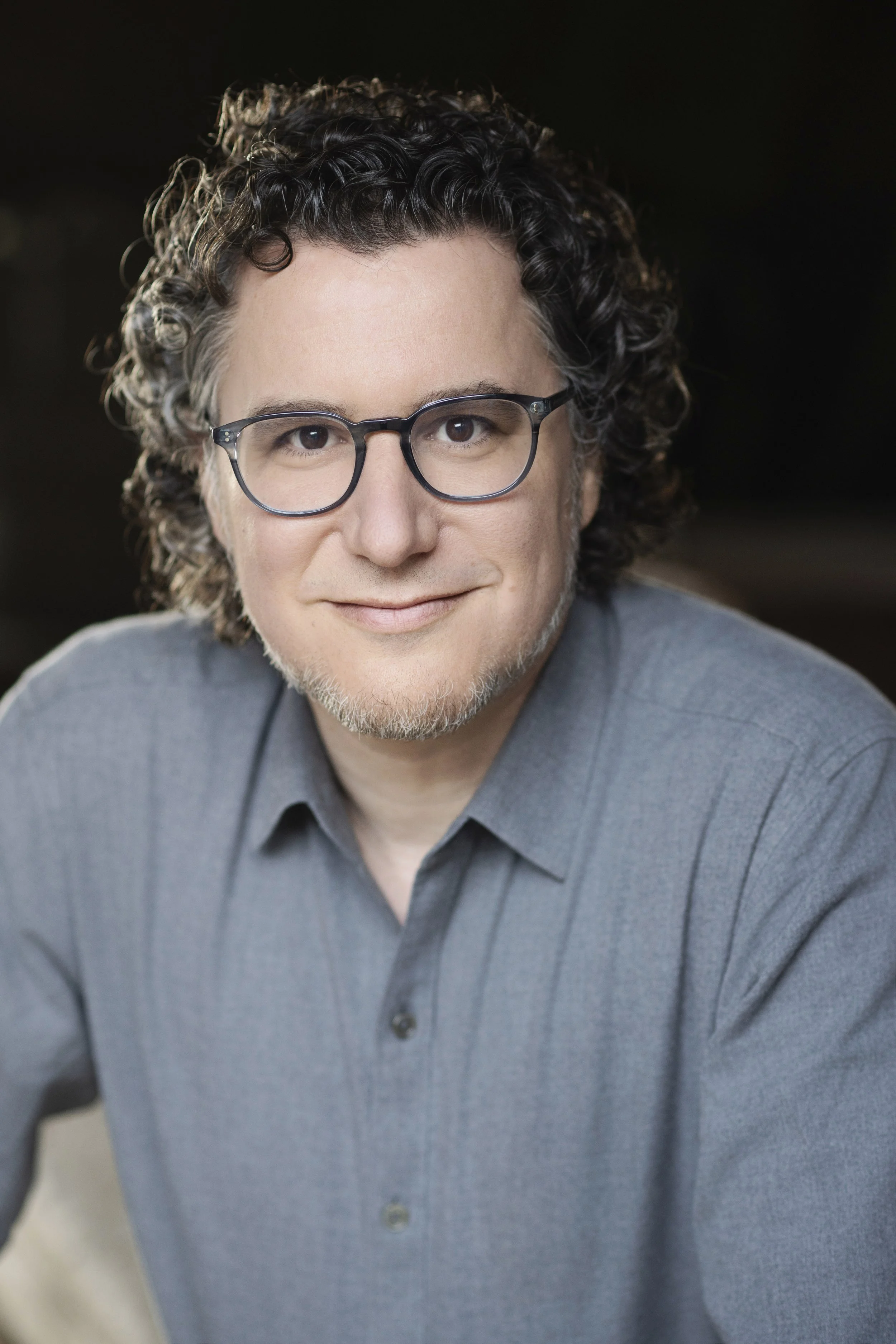
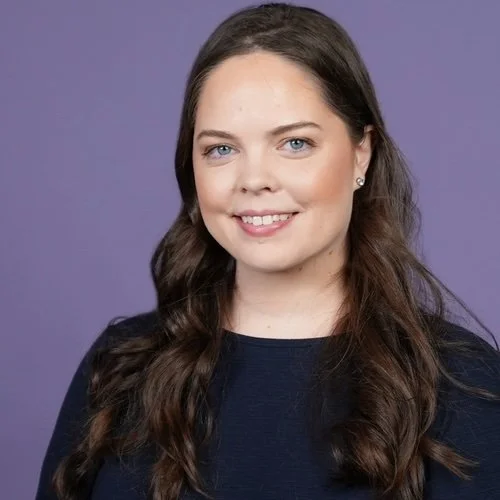
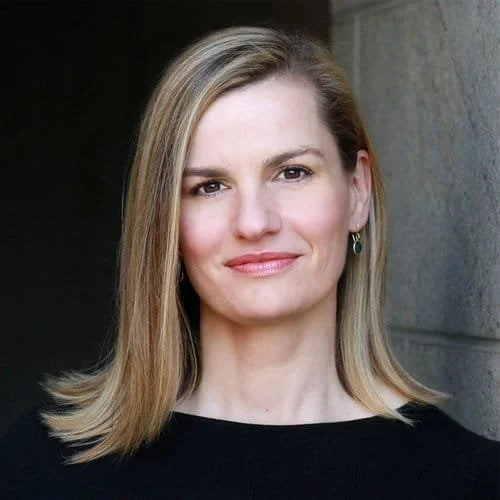
Our 2026 Speakers
-
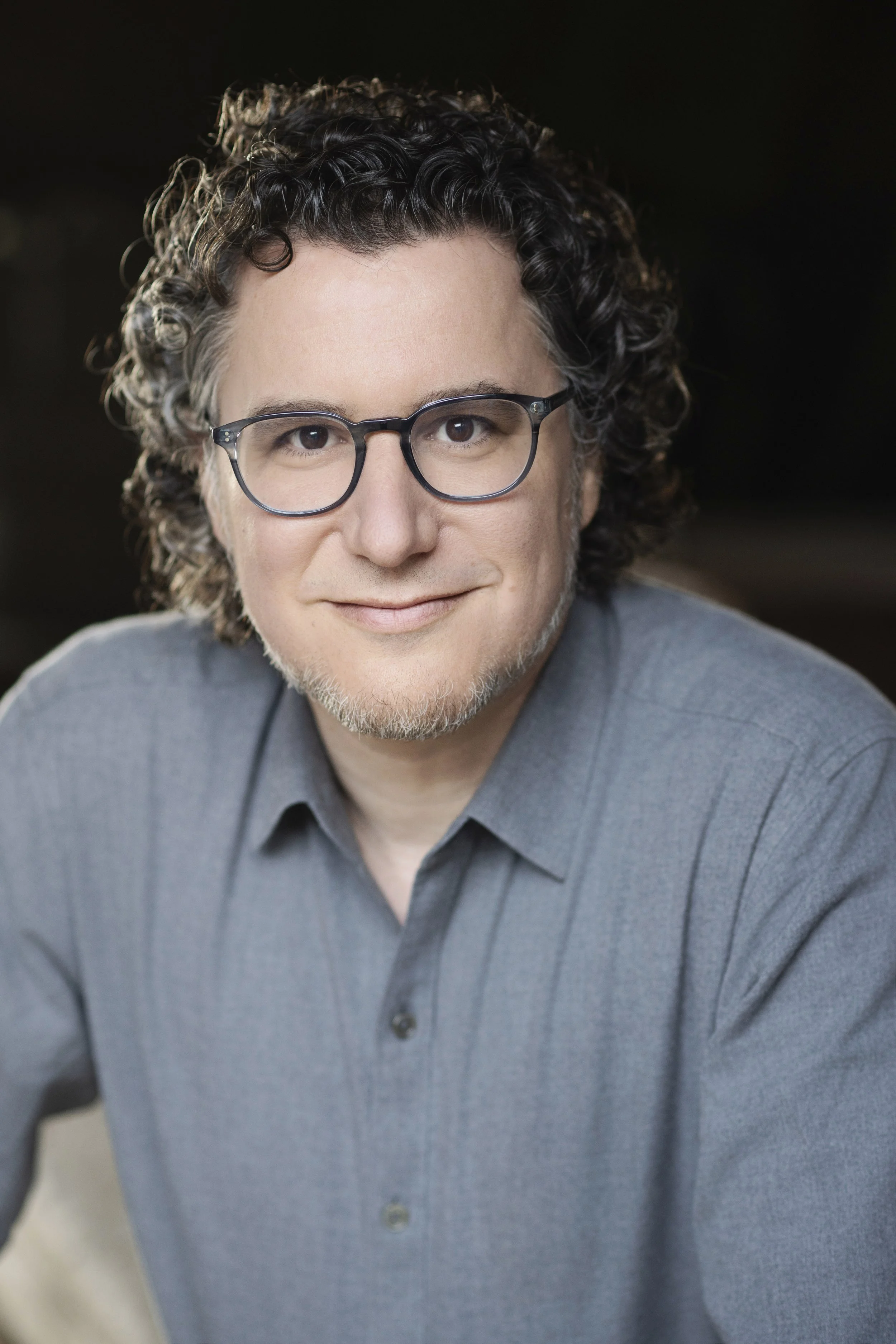
Eric Ries
New York Times bestselling author
The Lean Startup and
Incorruptible: Why Good Companies Go Bad... and How Great Companies Stay GreatOver the last two decades, Eric Ries’s ideas about continuous innovation, long-term thinking, governance, and market reform have reshaped company building and management practices. He is the creator of the Lean Startup method, and the author of the New York Times bestseller The Lean Startup, The Leader’s Guide,The Startup Way, and Incorruptible.
As a founder, he has put his own ideas into practice with The Long-Term Stock Exchange (LTSE); Answer.AI, an AI R&D lab; Virgil, a legal services startup; and IMVU. On The Eric Ries Show, he talks with world-class technologists, thought leaders, and executives building for the long-term. He lives in the San Francisco Bay Area with his wife and three children.
Why Good Companies Go Bad and How Great Companies Stay Great
A Conversation with Eric Ries
and Jaime Lynn White, OpenAIEvery organization starts with good intentions. So why do so many of them drift — toward short-term thinking, toward bureaucracy, toward decisions that contradict everything they claimed to stand for? And what separates the companies that actually stay true to their mission over time?
Eric Ries spent years studying that question, and Incorruptible is his answer. The author of The Lean Startup returns to the stage — this time not to talk about how to build a company, but about how to keep it. In this closing fireside conversation, Jaime Lynn White sits down with Eric to unpack the core argument of his new book: that organizational corruption isn't a character flaw or a stroke of bad luck. It's a structural problem — and it has structural solutions.
-
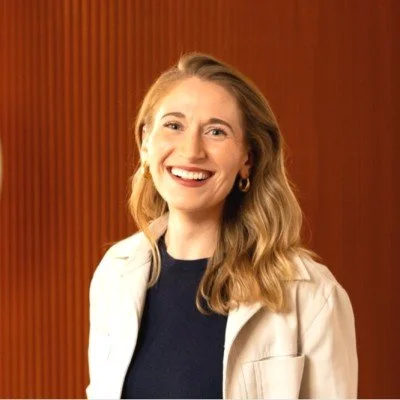
Jaime Lynn White
Strategy & Ops
OpenAIJaime Lynn White is a strategic operator and three-time Chief of Staff who has spent 15+ years building foundational systems across scaling tech companies and global consulting. Currently working in strategy and operations for Business Marketing at OpenAI, she previously served as Chief of Staff to the CMO at Notion and in senior strategy and operations roles at Grammarly. Earlier in her career, she led organizational effectiveness consulting for Fortune 500 clients.
Why Good Companies Go Bad and How Great Companies Stay Great
A Conversation with Eric Ries
and Jaime Lynn White, OpenAIEvery organization starts with good intentions. So why do so many of them drift — toward short-term thinking, toward bureaucracy, toward decisions that contradict everything they claimed to stand for? And what separates the companies that actually stay true to their mission over time?
Eric Ries spent years studying that question, and Incorruptible is his answer. The author of The Lean Startup returns to the stage — this time not to talk about how to build a company, but about how to keep it. In this closing fireside conversation, Jaime Lynn White sits down with Eric to unpack the core argument of his new book: that organizational corruption isn't a character flaw or a stroke of bad luck. It's a structural problem — and it has structural solutions.
-
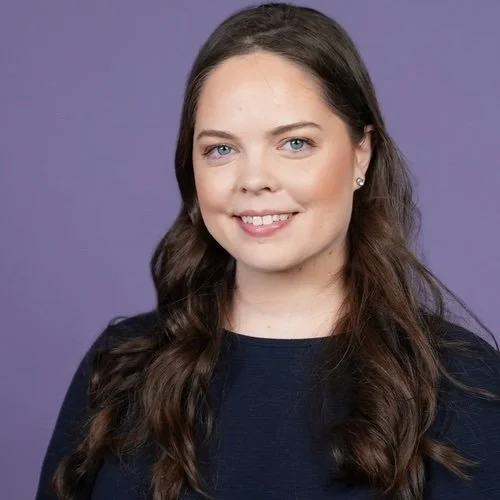
Rebecca Hinds, PhD
Head of the Work AI Institute, Glean
Author, Your Best Meeting EverRebecca Hinds, PhD, leads the Work AI Institute at Glean, where she studies how artificial intelligence is transforming the way people work. Her research focuses on collaboration, productivity, and how emerging technologies reshape workplace behavior. She is also the author of Your Best Meeting Ever, a book that explores how organizations can design more effective and meaningful meetings.
Before joining Glean, Rebecca spent years researching workplace collaboration and leadership practices, helping organizations better understand how people interact and make decisions. Her work bridges academic research and practical application, helping leaders rethink how work happens in the age of intelligent tools.
Collaboration in the Era of AI
Artificial intelligence is reshaping how work happens—from how information is accessed to how teams collaborate and make decisions.
In this session, Rebecca Hinds will explore what these changes mean for leaders and organizations. Drawing on research and real-world examples, she will examine how AI tools are influencing workplace dynamics, productivity patterns, and knowledge sharing. The talk will also address how leaders can thoughtfully integrate AI while maintaining human judgment, collaboration, and trust.
-
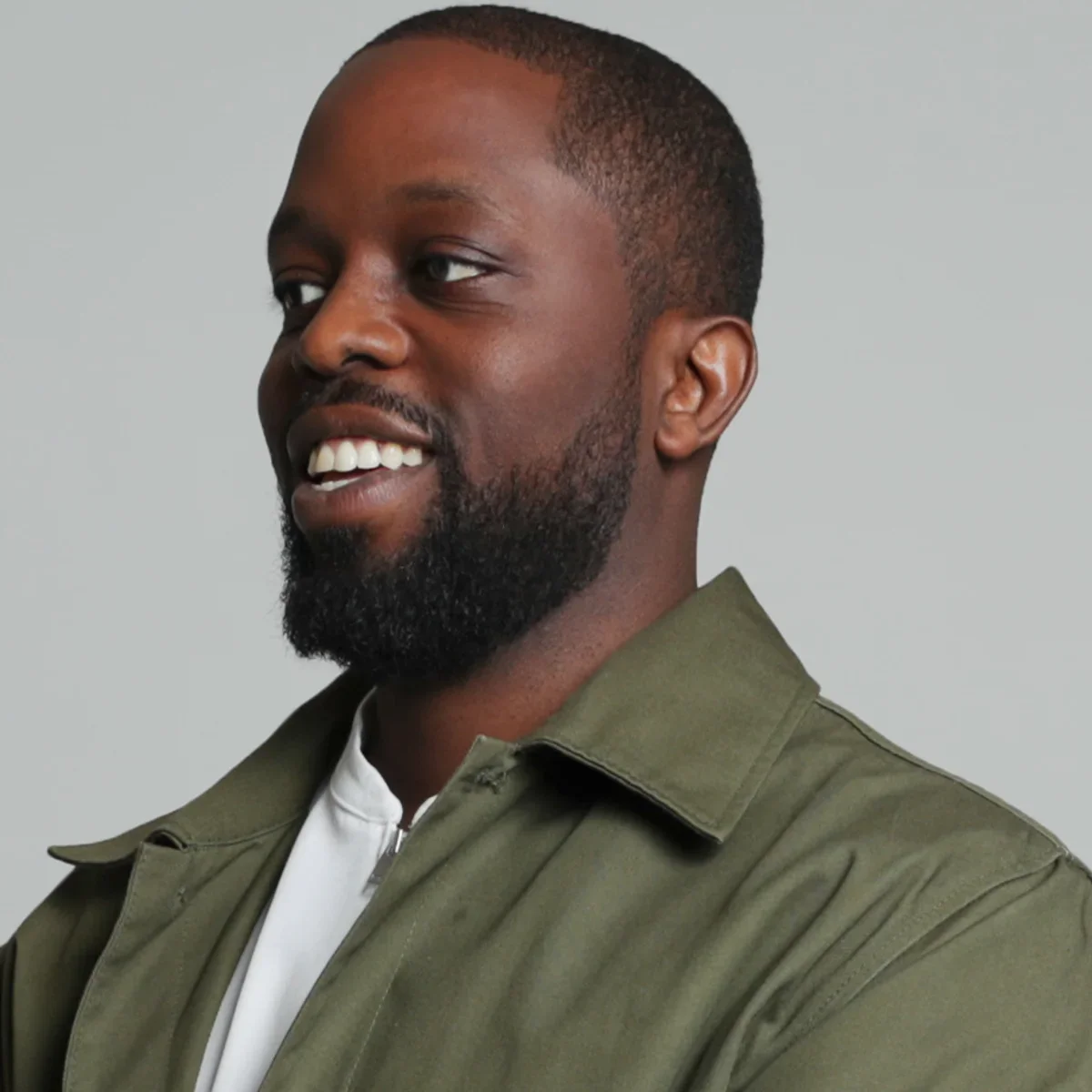
Femi Fadugba
Physicist and Author
Founder of ShepardXRFemi Fadugba is a physicist, author, and founder of ShepherdXR, which uses virtual reality to teach mathematics to neurodivergent children. His debut novel, The Upper World, explores Einstein's theory of relativity through a story set in inner-city London, and is currently in development as a Netflix film with Daniel Kaluuya attached to star and produce. A Dummett Fellow at New College, Oxford, Femi has spoken to over 10,000 students and sits on the board of Rare Technology. He splits his time between teaching in schools and helping organizations think more clearly about change.
The Science and Psychology of Uncertainty: Quantum Physics, Special Needs Kids, and Our Existential Dread
Femi has spent his career making the incomprehensible accessible — from writing physics fiction for kids in inner-city London, to teaching algebra to fourth graders with autism using virtual reality, to advising organizations on how to think clearly when the future stops making sense. His premise: the same frameworks that unlock mathematics for kids who've been told they can't learn it are the ones that help leaders navigate uncertainty without losing their minds.
In this workshop, Femi offers something rarer than a prediction about where AI is headed: a way of thinking about complexity that actually helps.
-
Tim Casasola
Organizational Designer
AirbnbTim Casasola is an organizational designer at Airbnb, where he works on large-scale initiatives focused on organizational structure, leadership systems, and change management. Over the course of his career, he has helped organizations rethink how teams are structured, how decisions are made, and how companies adapt during periods of growth and transformation. His work sits at the intersection of strategy, organizational development, and design.
A longtime member of the Responsive community, Tim has spent years exploring how organizations can move beyond traditional management models toward more adaptive and resilient structures. At Airbnb, he applies these ideas in practice by helping the company evolve its organizational systems while maintaining the flexibility required to operate in a rapidly changing global environment.
The Architecture of Organizations
Organizations today are constantly evolving. New technologies, shifting markets, and changing employee expectations require companies to rethink how they structure teams and make decisions.
In this session, Tim Casasola will share lessons from his work designing organizational systems at Airbnb. He will explore how companies can adapt structures without losing clarity, how leaders can guide teams through transformation, and how thoughtful organizational design can support innovation and resilience. Attendees will gain insight into how large organizations evolve over time and how leaders can approach structural change in ways that strengthen collaboration rather than disrupt it.
-
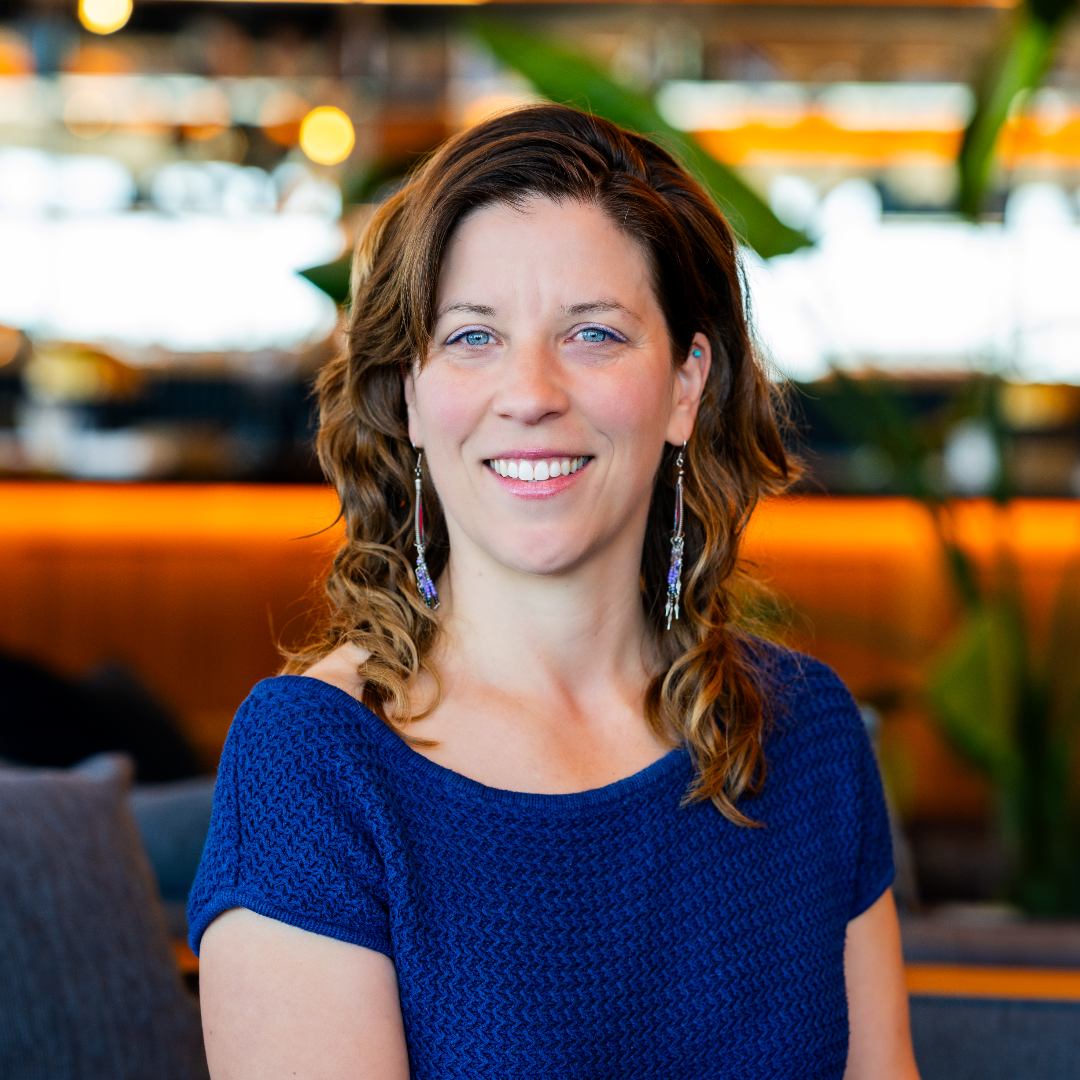
Danielle Strachman
Founder and General Partner, 1517 Fund
Co-founder, The Thiel FellowshipDanielle Strachman is the founder and general partner of 1517 Fund, a venture capital firm that backs ambitious founders building transformative companies. Before launching the fund, she co-founded the Thiel Fellowship, a program that supports young entrepreneurs pursuing unconventional paths outside traditional educational systems. Her work has focused on identifying bold thinkers early and helping them develop ideas that challenge established industries.
Through 1517 Fund, Danielle invests in founders working across deep technology, science, and frontier innovation. She is known for championing unconventional talent and supporting individuals willing to take risks on big ideas. Her work sits at the intersection of entrepreneurship, education, and venture investing, and she continues to explore how new generations of founders are building companies in an increasingly uncertain and rapidly changing world.
How to Build Unreasonable Companies in Uncertain Times
Innovation rarely follows a predictable path. Many of the most transformative companies begin as ideas that seem unconventional, risky, or even impossible.
In this fishbowl, Danielle Strachman will explore what it takes to build bold companies in uncertain times. Drawing on her experience backing early-stage founders, she will discuss how entrepreneurs identify overlooked opportunities, take calculated risks, and pursue ambitious ideas. The conversation will also examine how younger generations of founders are approaching education, experimentation, and long-term impact differently. With space for audience participation, the session invites attendees to join the discussion about how innovation actually happens.
-
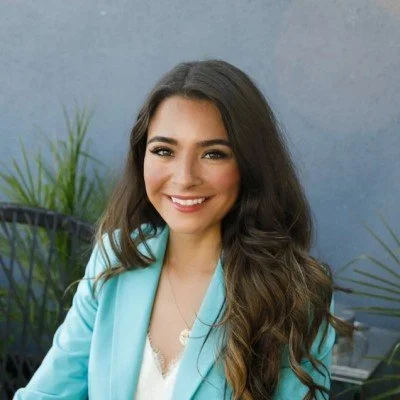
Ahva Sadeghi
Founder, Symba
VP of Growth @ Yello
Forbes 30 Under 30Ahva Sadeghi founded Symba in 2018 to empower new hires and early-career talent entering the workplace — grew it to $1M+ in ARR in under eight months, partnered with Fortune 500 companies, nonprofits, and government organizations, raised venture capital, and supported 20,000+ careers before the company was acquired by Yello, where she now serves as VP of Growth.
Before founding Symba, Ahva worked at the U.S. Department of State and completed a civil rights fellowship with John Lewis. She has been recognized as a Forbes 30 Under 30, Inc. Magazine Top 250 Female Founder, Tory Burch Fellow, and Global Entrepreneur Scholar by the U.S. Department of State.
How to Build Unreasonable Companies in Uncertain Times
Innovation rarely follows a predictable path. Many of the most transformative companies begin as ideas that seem unconventional, risky, or even impossible.
In this fishbowl-style session, founders Ahva Sadeghi and Rett Kearbey will join investor Danielle Strachman to explore what it takes to build bold companies in uncertain times.
With space for audience participation, the session invites attendees to join the discussion about how innovation actually happens. -
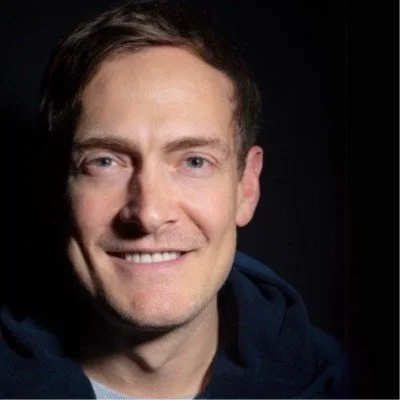
Rett Kearbey
Founder
SholderRett Kearbey is on a mission to scale mental and emotional health outcomes through non-clinical providers — making consistent, high-quality support accessible and affordable for everyone.
He is the founder of Sholder, a new paradigm in one-to-one transformational support. Sholder provides a practice of active listening, reflective questions, and simple tools that help people reconnect with their own inner wisdom in a confidential 50-minute session.
Built on the belief that every answer is already inside of you, Sholder brings together social researchers, clinical scientists, caregivers, and humanitarians to offer a fundamentally different way to think about mental well-being.
How to Build Unreasonable Companies in Uncertain Times
Innovation rarely follows a predictable path. Many of the most transformative companies begin as ideas that seem unconventional, risky, or even impossible.
In this fishbowl-style session, founders Rett Kearbey and Ahva Sadeghi will join investor Danielle Strachman to explore what it takes to build bold companies in uncertain times.
With space for audience participation, the session invites attendees to join the discussion about how innovation actually happens. -
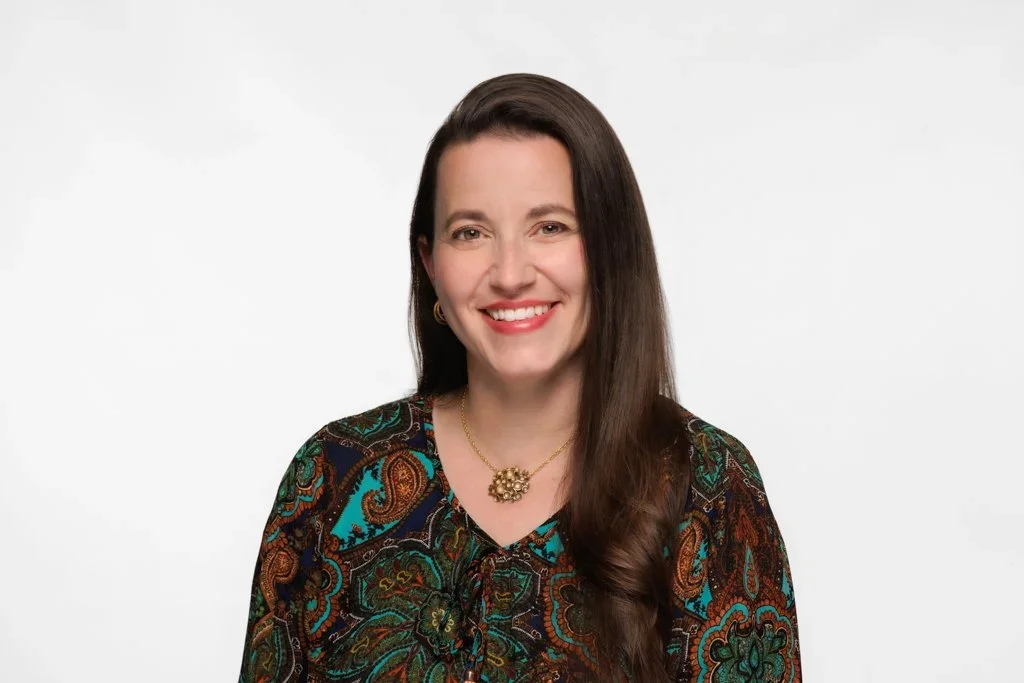
Mirit Cohen
Global Head of Workplace Experience
AdobeMirit Cohen leads the design of Adobe’s in-person, virtual, and hybrid workplace experience programs, with a focus on creating environments that help people live and work better. A champion of connection and community as an antidote to the growing epidemic of loneliness, she and her interdisciplinary team experiment with human-centered approaches to the future of work.
Before joining Adobe, Mirit worked as a chef and entrepreneur, exploring the deep relationship between food, culture, and connection. Influenced by her upbringing in the Jewish community and her graduate studies in psychology at Stanford—where she studied the origins of empathy in human and non-human primates—she developed a belief in the power of food as a tool for shaping culture intentionally, both within organizations and across communities.
The ROI of Being in the Same Room
As Global Head of Workplace Experience at Adobe, Mirit Cohen has spent years building the business case that bringing people together is one of the highest-leverage investments a company can make.
In this interactive workshop, founder of the Primary Shift Jenny Sauner-Klein and Mirit Cohen to unpack the data, frameworks, and stories behind Adobe's approach to intentional gathering.
At a moment when much of the tech industry is saying humans are optional, this session makes the case that they're essential.
-
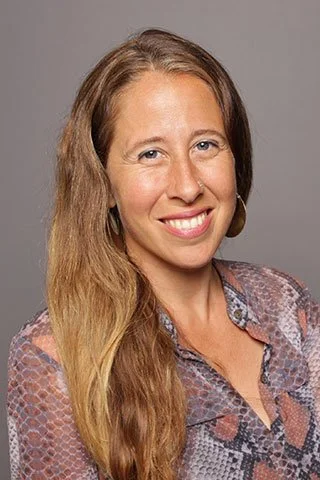
Jenny Sauer-Klein
Founder
The Primary ShiftJenny Sauer-Klein is the founder of The Primary Shift, where she designs transformational learning experiences that combine leadership development, embodiment practices, and experiential learning. Her work helps leaders reconnect with creativity, presence, and deeper forms of awareness in both personal and professional contexts.
Through workshops, retreats, and immersive learning environments, Jenny has worked with leaders and organizations around the world to explore how embodied practices can deepen collaboration, strengthen leadership, and unlock new forms of insight. Her approach blends movement, reflection, and dialogue to create powerful learning experiences.
The ROI of Being in the Same Room
Jenny Sauer-Klein has built her career on the belief that how people gather matters.
In this on-stage interview, she sits down with Mirit Cohen, Head of Global Workplace Experience at Adobe, to dig into the question: “How do you prove the value of bringing people together?”
Mirit has spent years building that case from the inside — with data, frameworks, and stories that will make you rethink what your events budget is actually buying. -
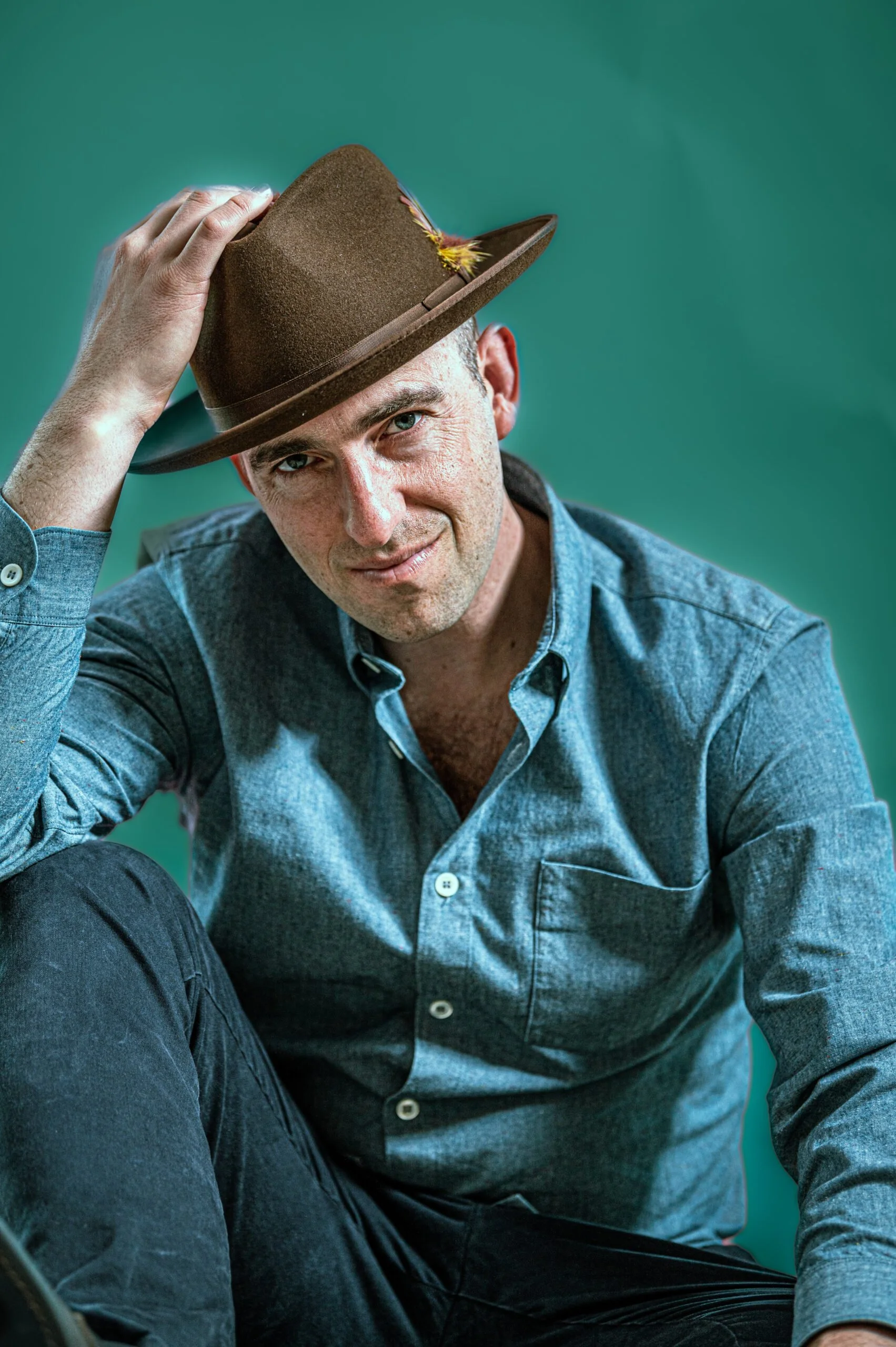
Adam Rosendahl
Founder & CEO
Late Nite ArtAdam Rosendahl is the founder of Late Nite Art, an immersive creative experience that blends art, storytelling, music, and audience participation. His events transform traditional art viewing into a shared creative experience, inviting audiences to become active participants rather than passive observers. Late Nite Art has been performed for audiences across the United States and internationally.
At the Responsive Conference, Late Nite Art has become a beloved tradition and is often described by attendees as one of the most memorable parts of the gathering. Adam’s work explores how creativity can bring people together, spark new perspectives, and create moments of connection that extend beyond traditional conference formats.
Late Nite Art
Late Nite Art returns to Responsive Conference as one of the gathering’s most memorable experiences. Created by Adam Rosendahl, this immersive event invites participants to step into the creative process and collaborate on a shared artwork.
Throughout the event, music, storytelling, and live performance unfold as attendees contribute to a large-scale collaborative painting. The experience is designed to spark creativity, curiosity, and play—reminding participants that creativity is not limited to artists alone. By the end of the session, the room will have created something that could only exist through collective participation.
-
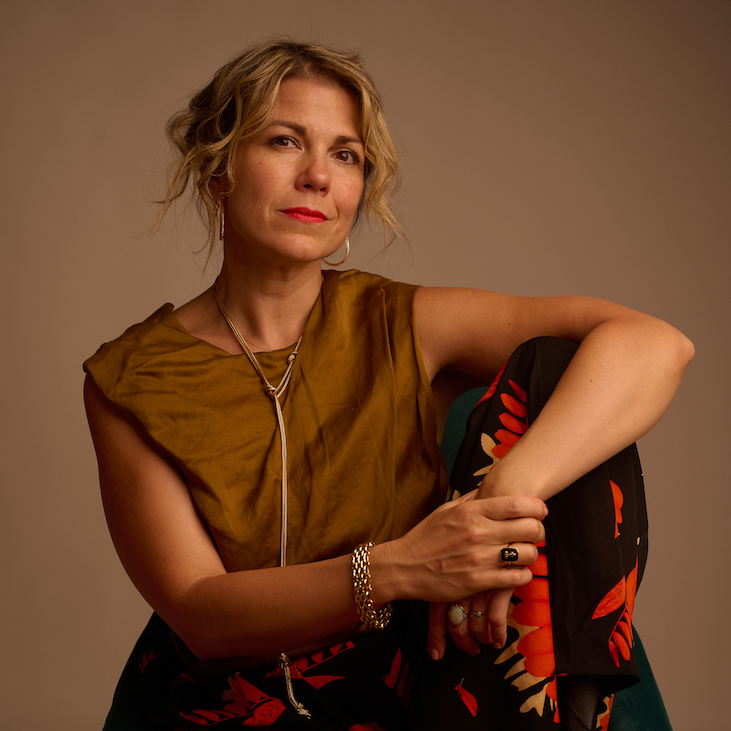
Elizabeth Solomon
Facilitator, Late Nite Art
Founder, New Realm Coaching & Consulting
Elizabeth Solomon is an executive coach, who helps leaders navigate complexity by strengthening the human capacities that traditional leadership development often overlooks.Drawing on graduate training in Organizational Psychology and Marriage & Family Therapy, Elizabeth partners with senior leaders and executive teams to cultivate the relational intelligence needed to lead in increasingly complex environments.
Late Nite Art
Late Nite Art returns to Responsive Conference as one of the gathering’s most memorable experiences. Created by Adam Rosendahl, this immersive event invites participants to step into the creative process and collaborate on a shared artwork.
Throughout the event, music, storytelling, and live performance unfold as attendees contribute to a large-scale collaborative painting. The experience is designed to spark creativity, curiosity, and play—reminding participants that creativity is not limited to artists alone. By the end of the session, the room will have created something that could only exist through collective participation.
-
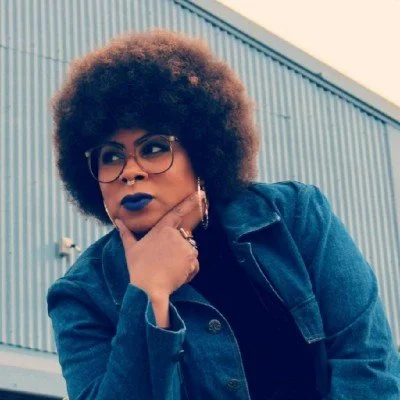
Adesha Adefela
Co-creator
Co-founders: The MusicalAdesha Adefela started performing in musical theater at age 5, starring alongside her mother — a Beach Blanket Babylon alum — and never stopped. As a teenager, she was offered a deal with Atlantic Records and turned it down to remain an independent artist.
Born and raised in Oakland, Adesha co-wrote Co-Founders the Musical, which sold out its world premiere run at the American Conservatory Theater. At Responsive Conference, she'll perform a song from the show live on stage.
-

RyanNicole Austin
Grammy-nominated Performer
Co-creator, Co-founders: The MusicalAs a playwright and producer, she co-created Co-Founders the Musical, which had its world premiere at the American Conservatory Theater in San Francisco.
At Responsive Conference, she'll perform a song from the show live on stage. -
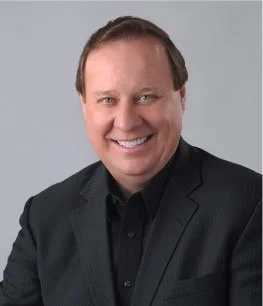
Doug Kirkpatrick
CEO at D'Artagnan Advisors
Co-Founder at Vibrancy
Author of The No-Limits EnterpriseDoug Kirkpatrick is a leadership advisor, author, and long-time advocate for self-management and organizational freedom. He spent more than two decades at Morning Star, the world’s largest tomato processing company, where he helped develop one of the most widely studied examples of a self-managed organization. At Morning Star, Doug helped pioneer systems that replaced traditional management hierarchies with peer commitments, personal responsibility, and distributed decision-making.
Today, Doug is CEO of D’Artagnan Advisors and co-founder of Vibrancy, where he works with organizations around the world to design workplaces rooted in trust, autonomy, and accountability. Through consulting, writing, and speaking, he helps leaders rethink traditional management practices and build organizations where individuals take ownership of their work. He is the author of The No-Limits Enterprise, which explores how organizations can thrive when unnecessary constraints are removed.
Two Principles of Highly Effective Organizations
What if you could manage an organization of any size with just two principles? Don't use force. Keep your commitments.
Doug Kirkpatrick has spent decades studying what happens when organizations trade hierarchy for trust — and the results are hard to argue with. A pioneer of the self-management movement and author of Beyond Empowerment, Doug draws on work with companies around the world to make the case that great complexity can be navigated with remarkable simplicity. In this keynote, he explores the philosophical foundations of self-managing organizations, the role of language and conscious leadership, and why — at a moment when AI is making hierarchy look increasingly obsolete — the wave of non-hierarchical work may finally be arriving in the United States.
-
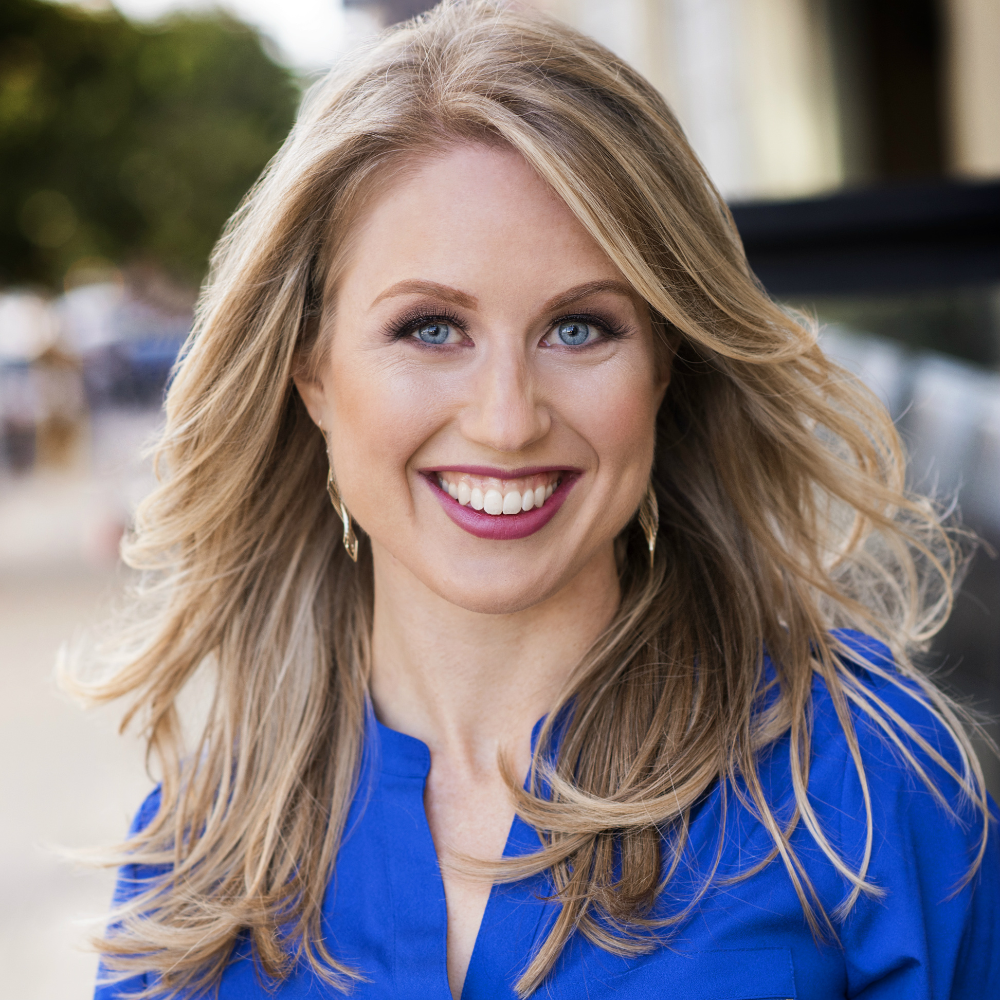
Michelle Vitus
Founder & CEO
SlateMichelle Vitus is the founder and CEO of Slate, where she advises organizations on leadership, culture, and talent strategy. Her work focuses on helping companies design leadership systems and organizational practices that support both strong performance and long-term resilience.
Michelle works closely with founders, executives, and people leaders navigating growth and transformation. By combining leadership development with organizational design, she helps teams rethink how leadership works in modern organizations and how companies can create environments where people and ideas can thrive.
AI & Talent: An Unfiltered Fishbowl
Artificial intelligence is changing not only how work gets done but also how organizations think about talent, leadership, and capability. Roles are evolving, skill requirements are shifting, and traditional career paths are being reconsidered across industries.
In this fishbowl-style discussion, Michelle Vitus, Michelle Wagner, Lucia Guillory, and Brandon Sammut will share unfiltered takes on how talent strategy is adapting to these changes. The conversation will examine how organizations are preparing employees for new types of work, how leadership expectations are evolving, and what companies must do to support both performance and human development in an AI-enabled workplace. And there's an empty seat at the table — come up, challenge something, and add your own experience to the conversation.
-
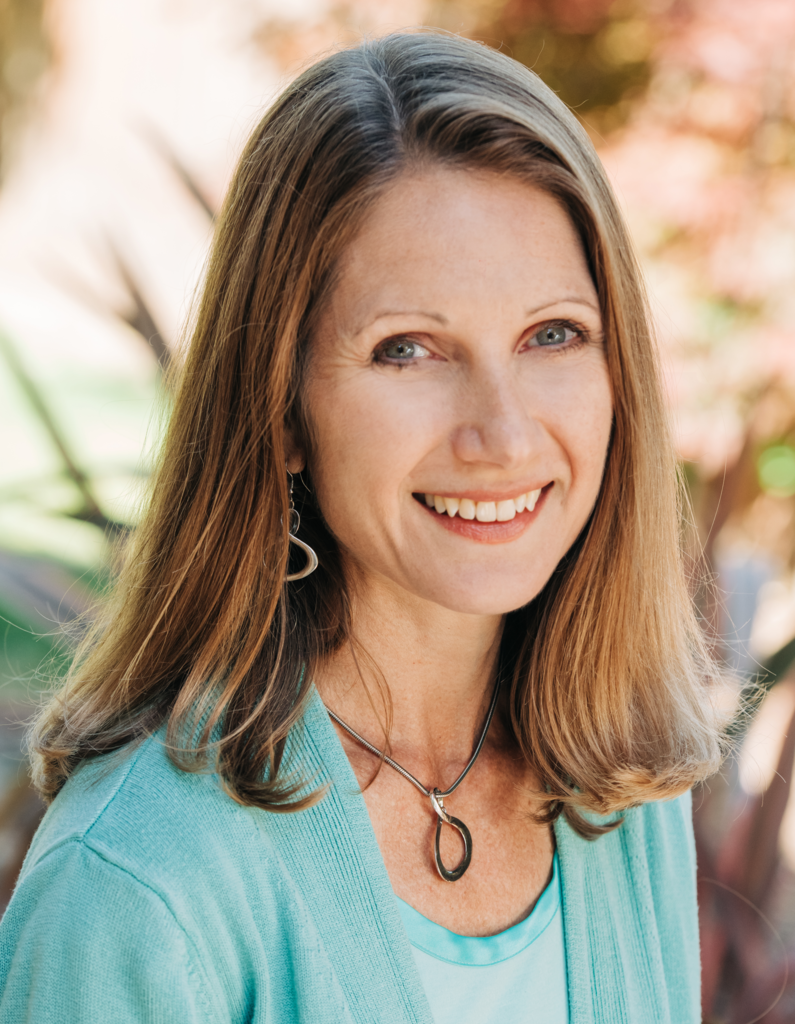
Jessica Swank
Chief People Officer
BoxJessica Swank is Chief People Officer at Box. With over seven years at Box, she is currently architecting the company's AI transformation through people and culture strategies that span the entire employee lifecycle — talent, learning and development, total rewards, analytics, belonging and culture, workplace services, and internal communications for more than 3,000 employees worldwide.
Before Box, Jessica led the People team at Blue Bottle Coffee and spent ten years at HP/HPE in a variety of global HR roles.
Experiments with AI: A CPO Interview in the Round
Everyone is talking about AI. Far fewer people are sharing what they’re actually doing.
In this unique interview-in-the-round session, a group of Chief People Officers will take turns interviewing one another about a real AI experiment they’ve led inside their organizations over the past year. From workforce enablement and employee training to policy, governance, recruiting, and productivity, each conversation will unpack a specific initiative: what problem they were trying to solve, what they learned, what surprised them, and what they’d do differently next time.
-
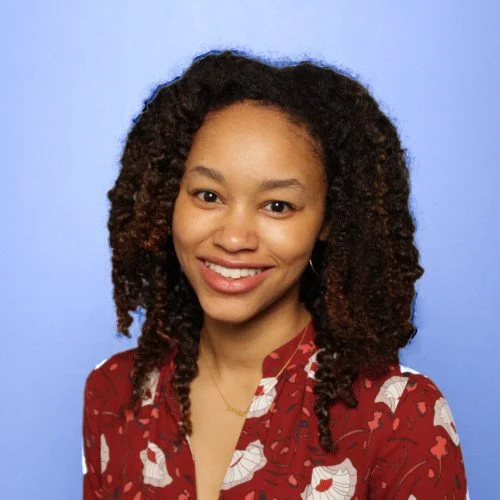
Lucia Guillory, PhD
Chief People Officer
Virta HealthLucia Guillory, PhD, is Chief People Officer at Virta Health, where she leads people strategy for a rapidly growing healthcare technology company. Previously, she served as Head of People at Patreon, helping guide the company through periods of growth while building a strong culture and leadership development systems.
Lucia’s work focuses on designing organizations where people can thrive while companies scale. With experience leading talent strategy in high-growth technology environments, she brings a thoughtful perspective on leadership development, culture building, and how people teams can support both performance and well-being.
AI & Talent: An Unfiltered Fishbowl
Artificial intelligence is changing not only how work gets done but also how organizations think about talent, leadership, and capability. Roles are evolving, skill requirements are shifting, and traditional career paths are being reconsidered across industries.
In this fishbowl-style discussion, Michelle Vitus, Michelle Wagner, Lucia Guillory, and Brandon Sammut will share unfiltered takes on how talent strategy is adapting to these changes. The conversation will examine how organizations are preparing employees for new types of work, how leadership expectations are evolving, and what companies must do to support both performance and human development in an AI-enabled workplace. And there's an empty seat at the table — come up, challenge something, and add your own experience to the conversation.
-
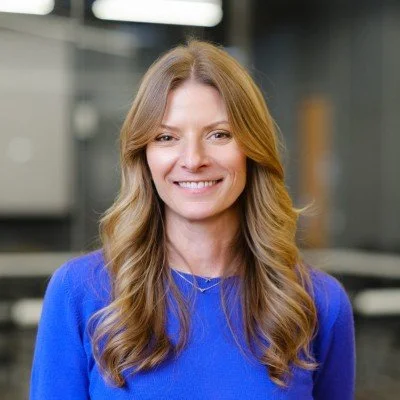
Michelle Wagner
Operating Partner,
People and Talent at Playground GlobalMichelle Wagner is Operating Partner, People and Talent at Playground Global, a deep tech venture firm. A 25-year startup executive, she previously served as CEO of Mindstrong, a healthtech company she led through a successful acquisition in 2023, and before that as a Chief People Officer. She brings a rare perspective that spans HR, the C-suite, and venture capital.
AI & Talent: An Unfiltered Fishbowl
Artificial intelligence is changing not only how work gets done but also how organizations think about talent, leadership, and capability. Roles are evolving, skill requirements are shifting, and traditional career paths are being reconsidered across industries.
In this fishbowl-style discussion, Michelle Vitus, Michelle Wagner, Lucia Guillory, and Brandon Sammut will share unfiltered takes on how talent strategy is adapting to these changes. The conversation will examine how organizations are preparing employees for new types of work, how leadership expectations are evolving, and what companies must do to support both performance and human development in an AI-enabled workplace. And there's an empty seat at the table — come up, challenge something, and add your own experience to the conversation.Description goes here
-
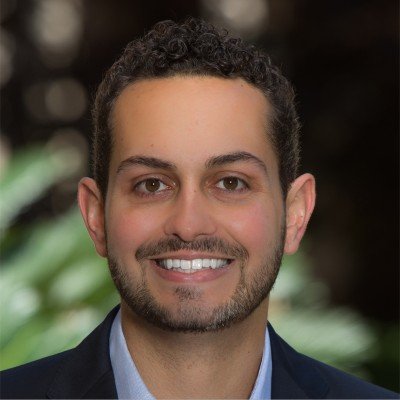
Brandon Sammut
Head of People
Mind RoboticsBrandon Sammut is Head of People at Mind Robotics. He is the former Chief People and AI Officer at Zapier. As one of the first executives to hold a combined people and AI transformation role, Brandon operates from the belief that real AI transformation starts with talent and culture, not just tools. He's built Zapier into a blueprint for AI-first organizations, with 97% of employees using AI in their daily work. Before Zapier, he was Chief People & Culture Officer at LiveRamp. He holds an MBA and M.Ed. from Stanford and a BA from the University of Michigan.
AI & Talent: An Unfiltered Fishbowl
Artificial intelligence is changing not only how work gets done but also how organizations think about talent, leadership, and capability. Roles are evolving, skill requirements are shifting, and traditional career paths are being reconsidered across industries.In this fishbowl-style discussion, Michelle Vitus, Michelle Wagner, Lucia Guillory, and Brandon Sammut will share unfiltered takes on how talent strategy is adapting to these changes. The conversation will examine how organizations are preparing employees for new types of work, how leadership expectations are evolving, and what companies must do to support both performance and human development in an AI-enabled workplace. And there's an empty seat at the table — come up, challenge something, and add your own experience to the conversation.
-
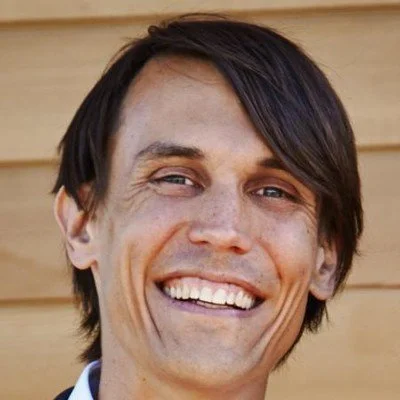
Joost Schouten
Co-Founder
NestrFor more than two decades, Joost Schouten has been working to help people do work they care about. As co-founder of Nestr, he builds tools and frameworks for purpose-driven, self-organizing teams — helping organizations move beyond hierarchy toward structures that are both more human and more effective. His work sits at the intersection of organizational governance, agentic AI, and ethics, and he has spent years thinking about what it actually means to design systems that serve people rather than the other way around.
The Future of Agentic WorkAt Responsive Conference, Joost will lead "The Future of Agentic Work" — opening with the case for why organizations need to change, not just adopt tools, to use AI effectively and ethically. Then the room gets to work.
Bring the task you've been complaining about for months. By the end of the session, it'll be automated. The harder question — whether you're automating something that serves you, or just making existing dysfunction faster — is what the session is really about.
-
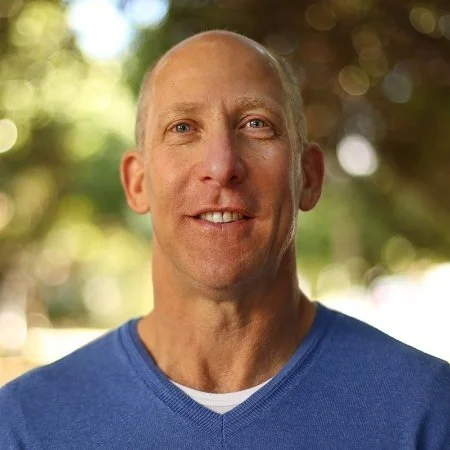
Tony Levitan
Founding Faculty & Head of Fellow Program
Leaders in TechTony Levitan is a founding faculty member and head of the Fellows Program at Leaders in Tech, where he works with emerging technology leaders to develop stronger leadership capabilities and more thoughtful organizational practices. A former Chief People Officer and leadership advisor, Tony has spent years helping organizations navigate growth, culture change, and leadership development.
Through his work in leadership education and consulting, Tony focuses on helping leaders build organizations that support learning, adaptability, and long-term human development. His approach blends practical leadership tools with deeper exploration of how people learn, collaborate, and grow within complex organizations.
How To Develop the Next Generation of Leaders
The pace of technological change is reshaping what leadership requires. Technical expertise alone is no longer enough; leaders must also cultivate emotional intelligence, adaptability, and the ability to guide teams through complexity.
In this session, Tony Levitan will share insights from his work developing emerging leaders in the technology industry. The conversation will explore how leadership development programs can support both professional growth and personal transformation. Tony will also discuss the skills and mindsets future leaders will need to build organizations that are resilient, thoughtful, and capable of thriving in rapidly changing environments.
-
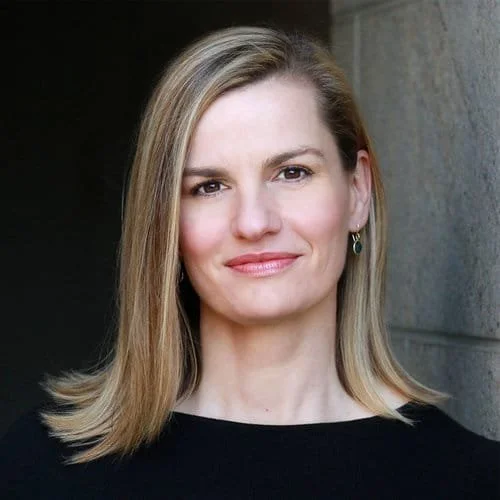
Sally Thornton
Founder & CEO
ForshaySally Thornton is the founder and CEO of Forshay, a talent advisory firm that helps organizations find and develop exceptional leaders. With decades of experience in executive search and leadership advisory, she works with companies navigating growth, transformation, and leadership change.
Sally is known for her ability to facilitate thoughtful and candid conversations with senior leaders. Her work focuses on helping organizations understand what effective leadership looks like in rapidly evolving business environments and how companies can build leadership teams capable of navigating uncertainty.
Experiments with AI: A CPO Interview in the Round
Everyone is talking about AI. Far fewer people are sharing what they’re actually doing.
In this unique interview-in-the-round session, a group of Chief People Officers will take turns interviewing one another about a real AI experiment they’ve led inside their organizations over the past year. From workforce enablement and employee training to policy, governance, recruiting, and productivity, each conversation will unpack a specific initiative: what problem they were trying to solve, what they learned, what surprised them, and what they’d do differently next time.
-
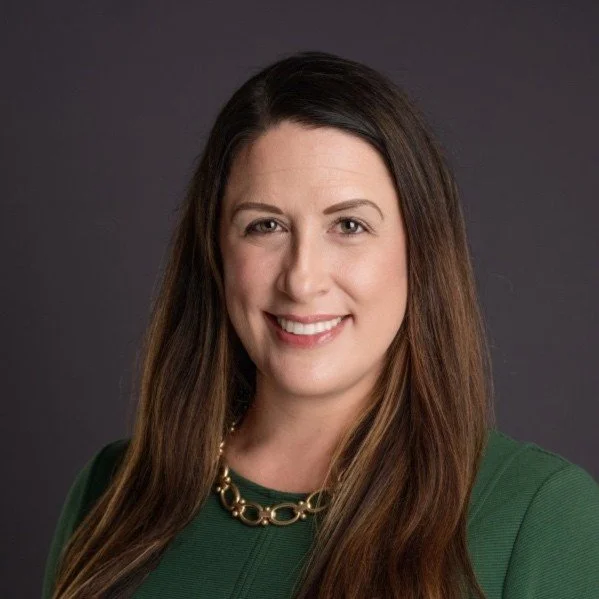
Erin McAuley
Chief People Officer
Springline AdvisoryAs Chief People Officer at Springline Advisory, Erin builds people strategies that accelerate business growth — and dismantles the systems, processes, and mindsets that get in the way. Her approach is grounded in the belief that when people are able to show up as their true selves, organizations grow faster, cultures get stronger, and the work gets better.
Springline Advisory is one of the fastest-growing accounting and advisory firms in the country — recognized as the 6th Fastest-Growing Firm in 2026 by Accounting Today — and Erin is building the people infrastructure to match.
Experiments with AI: A CPO Interview in the Round
Everyone is talking about AI. Far fewer people are sharing what they’re actually doing.
In this unique interview-in-the-round session, a group of Chief People Officers will take turns interviewing one another about a real AI experiment they’ve led inside their organizations over the past year. From workforce enablement and employee training to policy, governance, recruiting, and productivity, each conversation will unpack a specific initiative: what problem they were trying to solve, what they learned, what surprised them, and what they’d do differently next time.
Facilitated by Sally Thornton, this session is designed to move beyond theory and into practice. Attendees will leave with concrete examples, hard-earned lessons, and practical ideas they can take back to their own organizations. Whether your company is just getting started with AI or already deep into implementation, you’ll gain a candid look at how people leaders are navigating one of the most significant workplace shifts of our time.
-
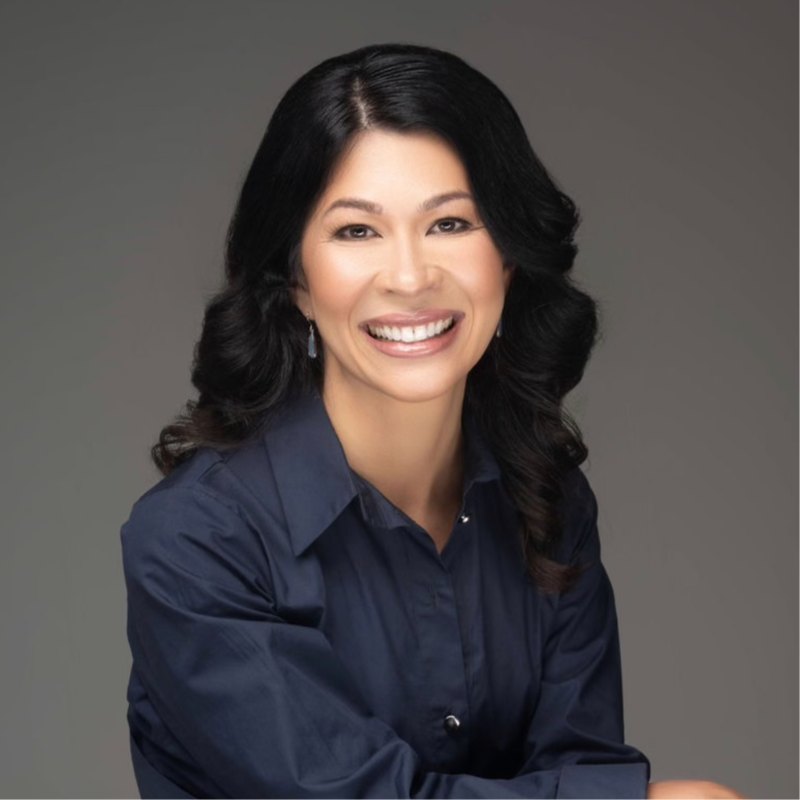
Gianna Driver
Chief People Officer
One WorkplaceGianna Driver builds people functions that are high-performing, accountable, and — by design — fun. As Chief People Officer at One Workplace, she leads the full spectrum of people and talent work: recruiting, employee relations, total rewards, learning and development, HR operations, facilities, and more.
She has spent her career scaling global people functions in high-growth environments, with deep experience in board management, leadership development, M&A integration, DEI, and performance management. She is drawn to the moments when there is no playbook yet — and sees the chaos of a fast-moving organization not as a problem to manage, but as an opportunity to build something that lasts.
Experiments with AI: A CPO Interview in the Round
Everyone is talking about AI. Far fewer people are sharing what they’re actually doing.
In this unique interview-in-the-round session, a group of Chief People Officers will take turns interviewing one another about a real AI experiment they’ve led inside their organizations over the past year. From workforce enablement and employee training to policy, governance, recruiting, and productivity, each conversation will unpack a specific initiative: what problem they were trying to solve, what they learned, what surprised them, and what they’d do differently next time.
-
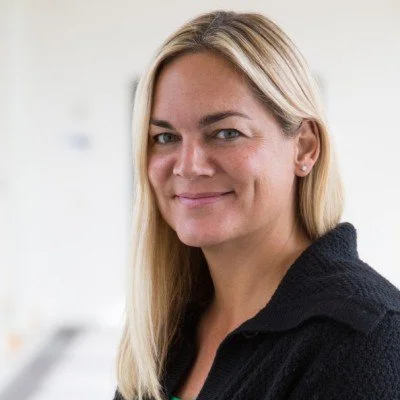
Cassandra Laurence
SVP, People and Talent
Modern HealthCassandra Laurence is SVP of People and Talent at Modern Health, where she is building a high-performing, mission-driven organization by designing people and talent strategies that connect directly to business growth.
Cassandra has led complex people initiatives across global markets, opened offices in Europe and Asia, integrated multiple M&A acquisitions, and built programs that strengthen talent density, collaboration, and engagement. She is also an avowed tech nerd with an AI-forward mindset, actively experimenting with how artificial intelligence can reshape talent strategy, skills development, and organizational systems.
Experiments with AI: A CPO Interview in the Round
Everyone is talking about AI. Far fewer people are sharing what they’re actually doing.
In this unique interview-in-the-round session, a group of Chief People Officers will take turns interviewing one another about a real AI experiment they’ve led inside their organizations over the past year. From workforce enablement and employee training to policy, governance, recruiting, and productivity, each conversation will unpack a specific initiative: what problem they were trying to solve, what they learned, what surprised them, and what they’d do differently next time.
-
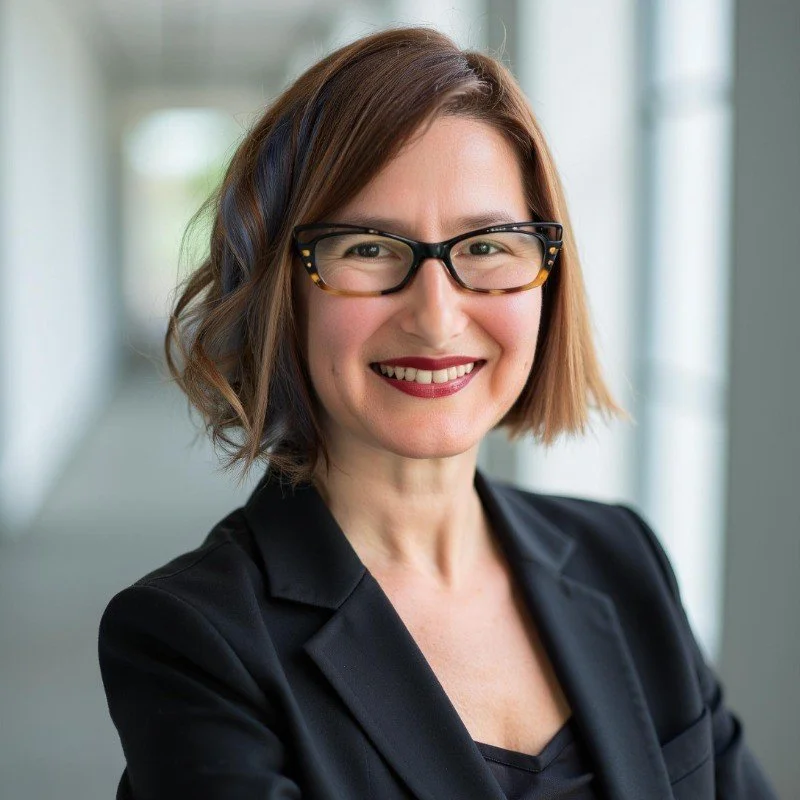
Jennifer Turner
Organization Strategy
AlphabetJennifer Turner works in organizational strategy at Alphabet, where she advises leaders across the Alphabet family of companies on leadership development, organizational effectiveness, and strategic decision-making. Through coaching and mentorship, she supports leaders navigating complex challenges, rapid growth, and evolving organizational dynamics. Her work focuses on helping leaders develop the skills and systems needed to guide teams through uncertainty.
Working across a diverse ecosystem of companies within Alphabet, Jennifer helps leaders strengthen communication, refine strategy, and build cultures that support both performance and resilience. Her approach combines practical frameworks with real-world leadership experience, helping organizations build leadership capacity while remaining adaptable in fast-changing environments.
How to Not Run Around like a Chicken with Your Head Cut Off
Modern leaders are navigating an unprecedented level of uncertainty. Rapid technological change, shifting workforce expectations, and evolving markets are forcing organizations to adapt faster than ever before.
In this interactive workshop, Jennifer Turner will share frameworks and leadership tools she uses with leaders across Alphabet. The session will explore how leaders can make thoughtful decisions when the path forward is unclear, how to communicate during times of change, and how to create alignment across teams facing complex challenges. Participants will also reflect on their own leadership approaches and explore practical techniques for guiding teams through uncertainty while maintaining clarity and trust.
-
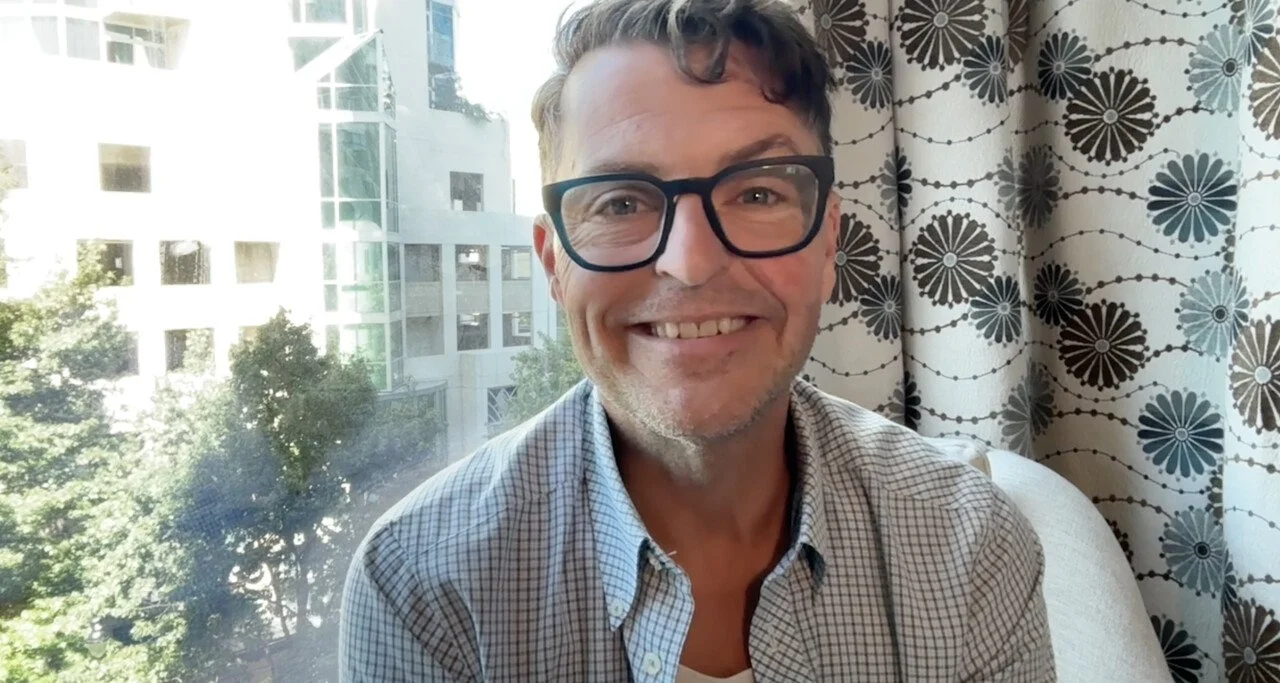
J. Noble
Lead Facilitator, A.C.T. at Work
American Conservatory TheaterJ. Noble is a facilitator and coach with 25 years of experience in learning and development, creating transformative environments that enhance workforce capabilities. Drawing from his background in theatre, J. uses dynamic, rehearsal-based approaches to promote critical thinking, communication, and collaboration.
He began his career as a professional theatre director, where he developed a deep understanding of how to bring people together to tell compelling stories. He has since translated those skills into the workplace, helping organizations build stronger, more effective teams.
Rehearsed Authenticity: How Theater Can Make You a Better Leader
The most effective leaders are the ones who are genuinely present. In this hands-on workshop, J. Noble, lead facilitator of A.C.T. at Work at the American Conservatory Theater, introduces the Second Circle, a framework developed by renowned theater director Patsy Rodenburg to describe the state of full, authentic presence.
Through breathing exercises, partner work, and the classic theater mirror game, participants will experience what second circle feels like, learn to recognize when they've left it, and develop the techniques to use it at work.
-
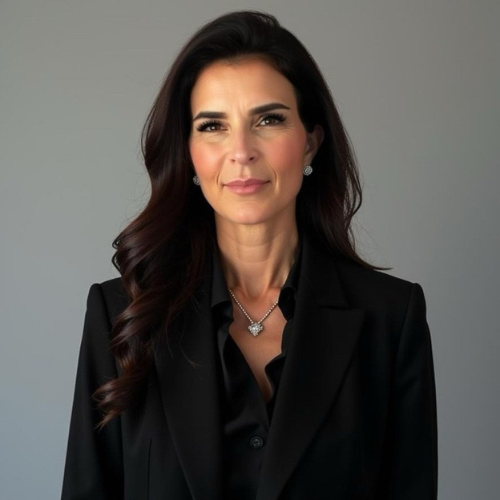
Kelley Steven-Waiss
Founder & CEO, Novaworks
Frmr Chief Transformation Officer, ServiceNowKelly founded and led Hitch Works, which sold to ServiceNow in 2022. At ServiceNow, she served as Chief Transformation Officer and Head of Workforce Innovation Products, leading large-scale AI transformation initiatives across global enterprise customers.
Today, Kelley is founder and CEO of Novaworks, an AI-native operating system for Total Workforce Management built to unify people, process, and agents.
Teaming with AI: An Interview-in-the-Round
AI is changing work, but the biggest opportunity may not be individual productivity—it may be how teams learn, decide, and adapt together. In this interview-in-the-round session, leaders and operators will explore how teams can use AI to do real work: surfacing hidden conversations, creating healthy friction, making better decisions, and turning experimentation into organizational learning.
-
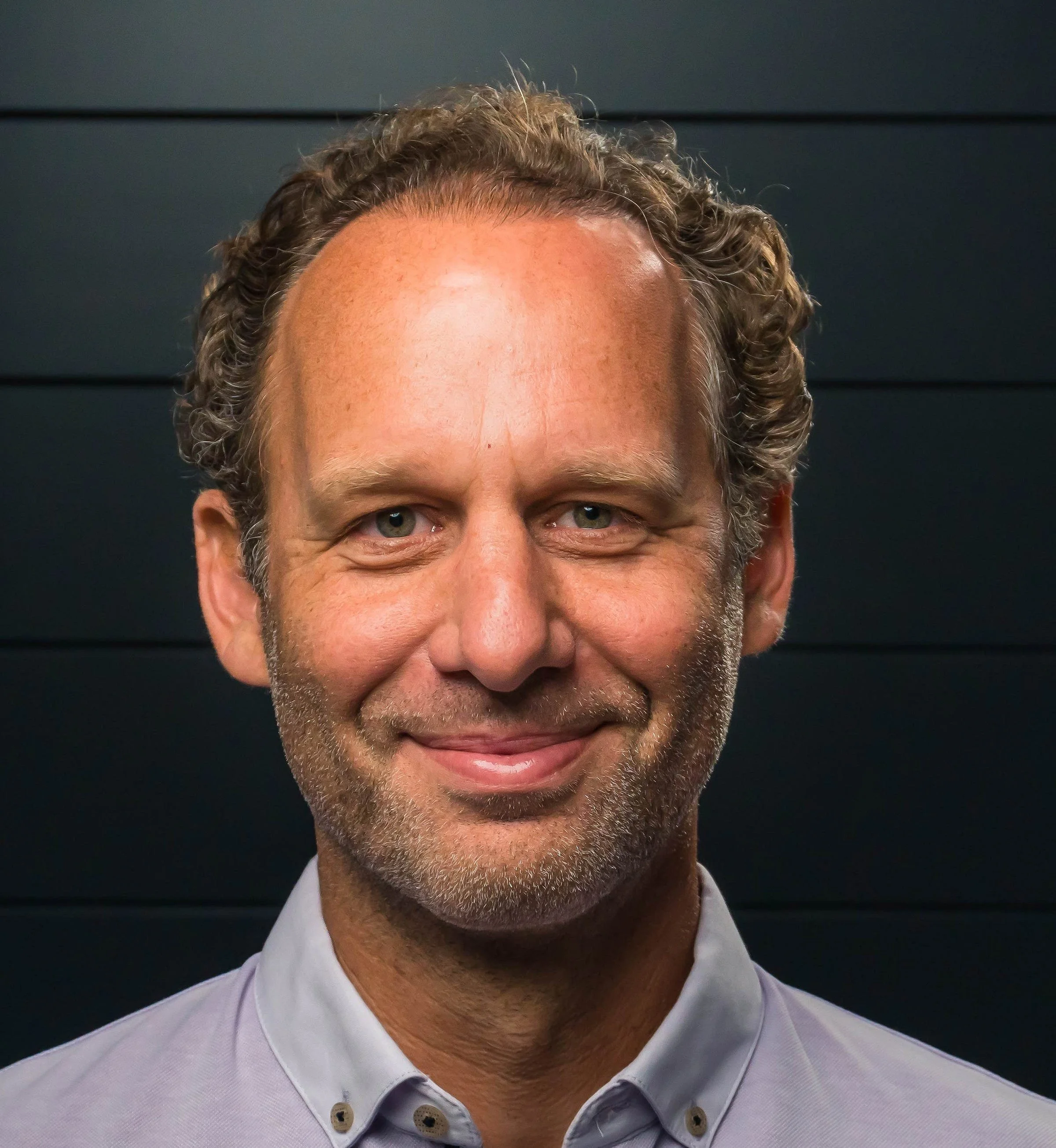
Jonathan Raymond
Co-founder and CEO, Ren
Author, Good AuthorityAs CEO of Ren, Jonathan is building an AI coaching platform designed to challenge managers rather than simply inform them. Where general AI tends to be too agreeable, Ren is built to provide the productive tension required for behavioral change.
Jonathan is also the author of the award-winning book Good Authority.
Teaming with AI: An Interview-in-the-Round
AI is changing work, but the biggest opportunity may be how teams learn, decide, and adapt together.
In this interview-in-the-round, each speaker interviews the next — creating a more dynamic, practitioner-oriented conversation than from a typical panel.
Learn how these leaders are partnering with AI to improve their organizations.
-

Diane Sadowski-Joseph
Co-founder & Head of Product
ClarinetDiane co-founded Clarinet to help organizations develop AI fluency.
She brings more than 20 years of organizational transformation experience to that work, having trained 100,000+ professionals across 1,200+ companies and led global teams from New York to Shanghai to San Francisco. Most recently, she helped scale LifeLabs Learning from employee #8 to a nine-figure exit as Head of Product.
Teaming with AI: An Interview-in-the-Round
AI is changing work, but the biggest opportunity may be how teams learn, decide, and adapt together.
In this interview-in-the-round, each speaker interviews the next — creating a more dynamic, practitioner-oriented conversation than from a typical panel.
Learn how these leaders are partnering with AI to improve their organizations.
-
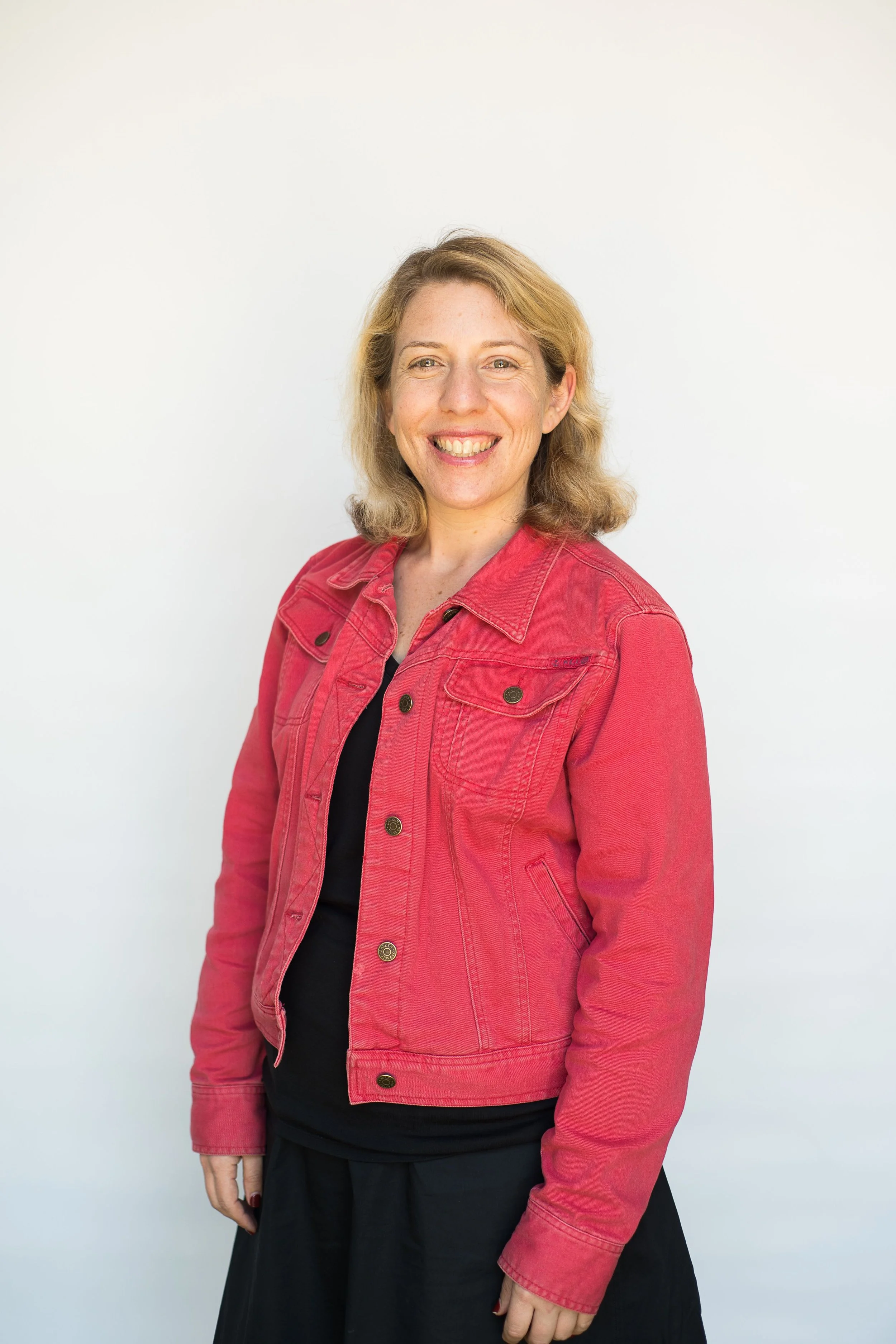
Lindsey Caplan
Organizational Psychologist
AuthorLindsey Caplan is a former Hollywood screenwriter turned organizational psychologist who has spent nearly two decades pursuing one question across very different rooms: What moves people?
Before founding her advisory practice, Lindsey worked on television shows including Curb Your Enthusiasm and Malcolm in the Middle and held learning and leadership roles at DreamWorks Animation, McKinsey, Zendesk, Credit Karma, and Flexport.
Today, Lindsey advises leaders at organizations including T-Mobile, Shell, GE, CrowdStrike, and Salesforce on what it takes to earn buy-in, participation, and adoption during large-scale change. She is the author of Moved: The Art and Science of What Moves Us & How to Move Others, forthcoming in March 2027.
Teaming with AI: An Interview-in-the-Round
AI is changing work, but the biggest opportunity may be how teams learn, decide, and adapt together.
In this interview-in-the-round, each speaker interviews the next — creating a more dynamic, practitioner-oriented conversation than from a typical panel.
Learn how these leaders are partnering with AI to improve their organizations.
-
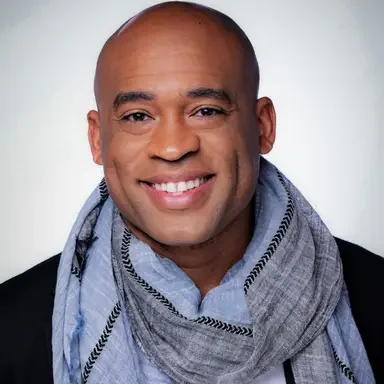
Micah Christian
Lead Singer
Sons of SerendipMicah Christian is the lead vocalist of Sons of Serendip, a musical ensemble known for blending classical training with contemporary musical styles. The group first gained national attention as finalists on America’s Got Talent, where their emotional performances and distinctive sound captivated audiences. Since then, they have performed across the United States and internationally.
As the voice of the ensemble, Micah brings warmth and emotional depth to each performance, combining powerful vocals with storytelling through music. Sons of Serendip’s work blends classical instrumentation, modern arrangements, and heartfelt interpretation, creating performances that resonate deeply with audiences.
-
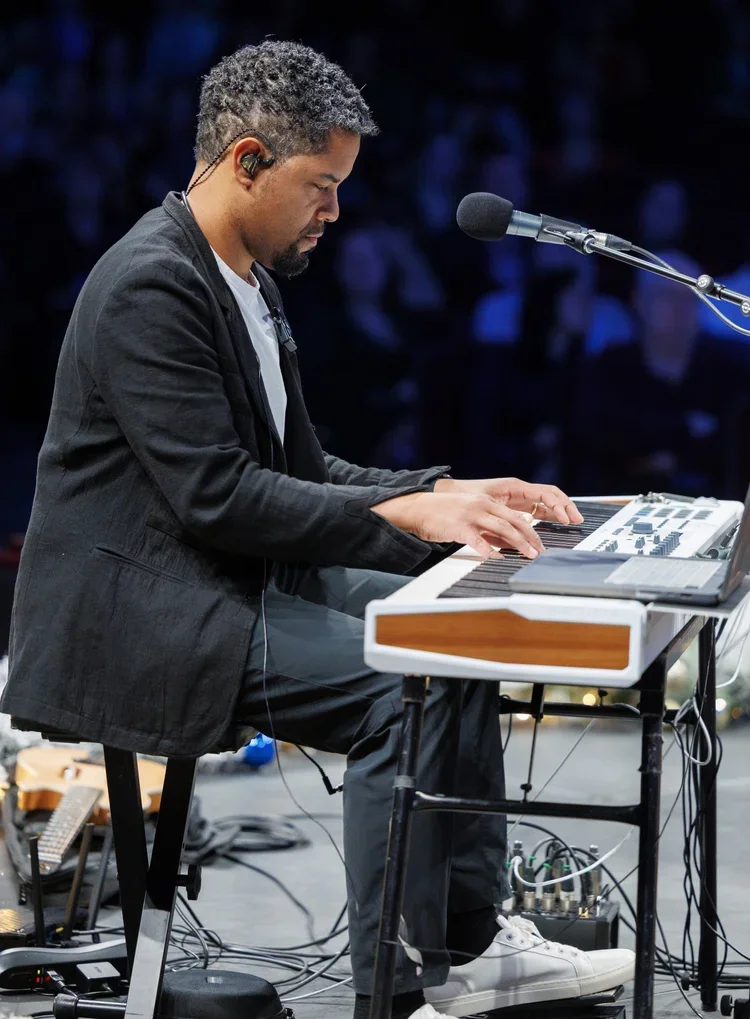
Cordaro Rodriguez
Pianist
Sons of SerendipCordaro Rodriguez is a pianist and founding member of Sons of Serendip, a musical group known for their unique fusion of classical, contemporary, and cinematic music. With a background in classical training, Cordaro brings expressive musicianship and thoughtful arrangement to the ensemble’s performances, helping shape the group’s signature sound.
Together with the group, Cordaro has performed for audiences around the world, creating powerful musical experiences that blend technical precision with emotional storytelling. Sons of Serendip’s performances emphasize connection, creativity, and the shared emotional power of music.
-

MGilvry Allen
Musician & Producer
M'Gilvry Allen is a fiddler, musician, and producer based in Oregon who has been playing since age four. Rooted in Old Time, Scottish, Irish, and Scandinavian fiddle traditions, he performs as a solo entertainer using a looper and a variety of instruments — weaving originals, traditional tunes, improvised soundscapes, and everything in between into something that meets the moment.
As a producer, M'Gilvry has spent 15 years crafting music, bringing the same sensibility to the studio as to the stage: depth, restraint, tension, and homecoming. When not making music, he can be found tending the strawbale cabin he built by hand in rural Oregon.
-
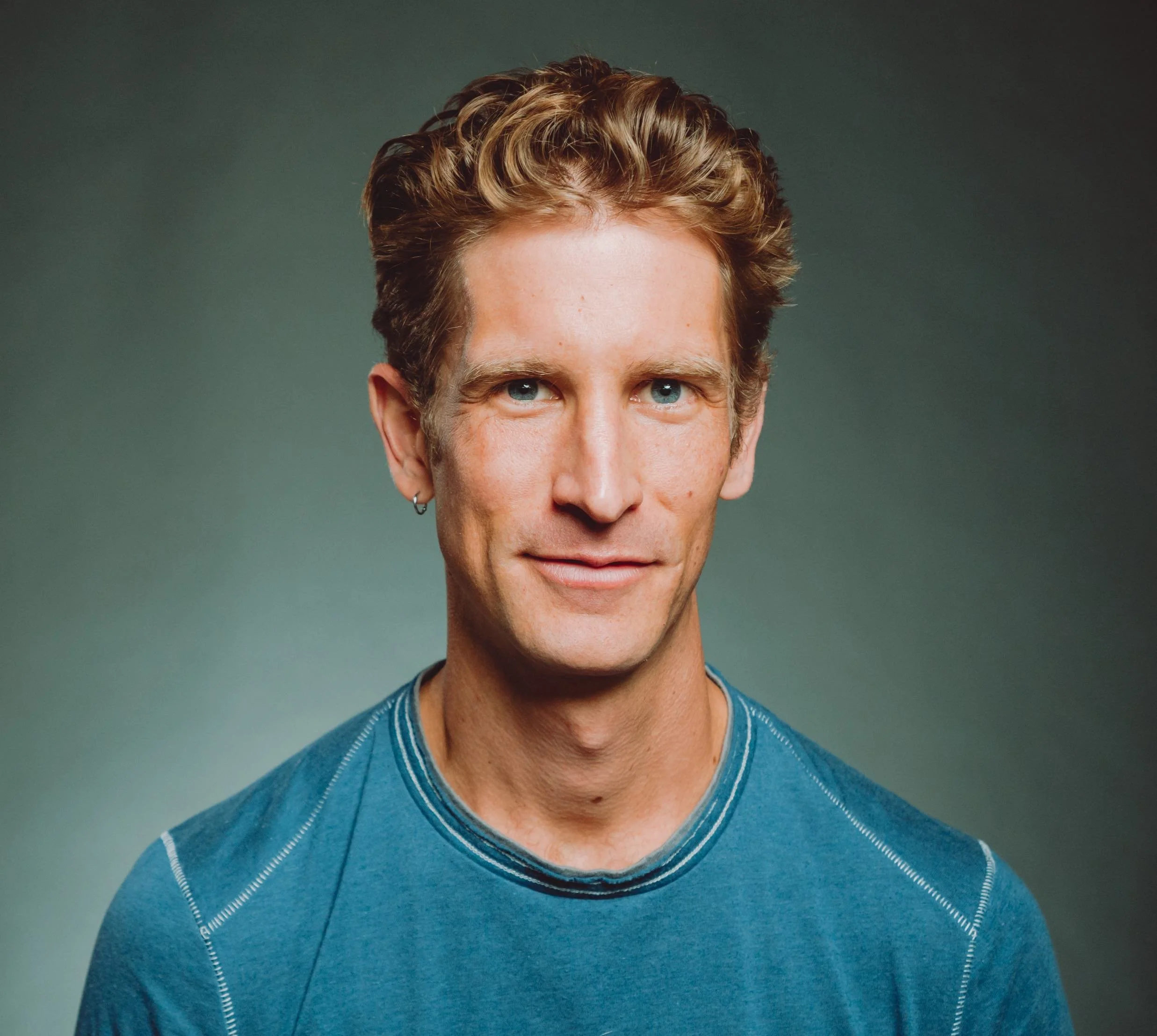
Robin P. Zander
Founder, Zander Media
Executive Director, Responsive ConferenceRobin Zander grew up in his father's small business, watching from an early age how organizations work.
He spent his twenties as a professional acrobat and ballet dancer, including a stint with the San Francisco Opera, before opening Robin's Cafe in San Francisco's Mission District with no prior restaurant experience. He ran it for three years and sold it on Craigslist — and walked away knowing he hadn't done enough storytelling. That mistake became Zander Media, a narrative and video production agency serving enterprise clients and startups.
In 2015, Robin discovered the Responsive.org manifesto — a document arguing that the rate of change is accelerating and organizations need to adapt. From the manifesto, Robin started Responsive Conference, now in its 10th year, which brings together 275 CHROs, CPOs, founders, and executives to explore how do organizations — and people — adapt to change.
Robin is the author of three books, including Responsive: What It Takes To Create A Thriving Organization, How to Do a Handstand, and This Might Work: A Collection of How-Tos. He writes Snafu, a weekly newsletter about navigating change, and hosts the Snafu podcast.


Past Highlights
-
Adam Pisoni, co-founder Yammer & Responsive.org, on Building Bridges
-
Anil Dash on the Future of Technology
-
Chris Fussell on Building a Team of Teams
-
A Fireside Conversation with Tony Hsieh
-
Josh Bersin on the Future of Work
-

Parenthood at Work Interview-in-the-Round